An Alliance for the Climate – Dialogue on climate and agriculture between New Zealand and Germany (AgriDENZ)
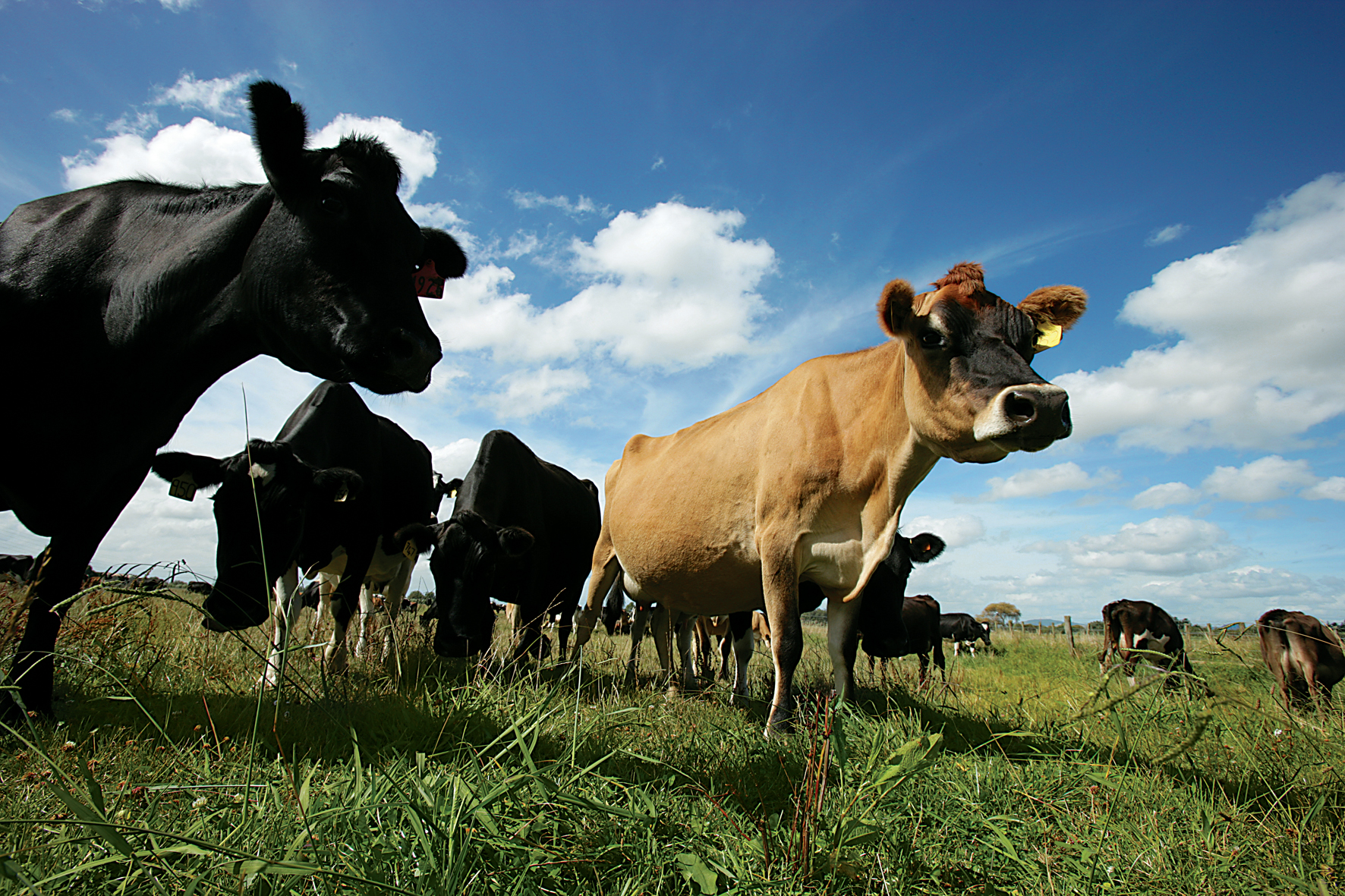
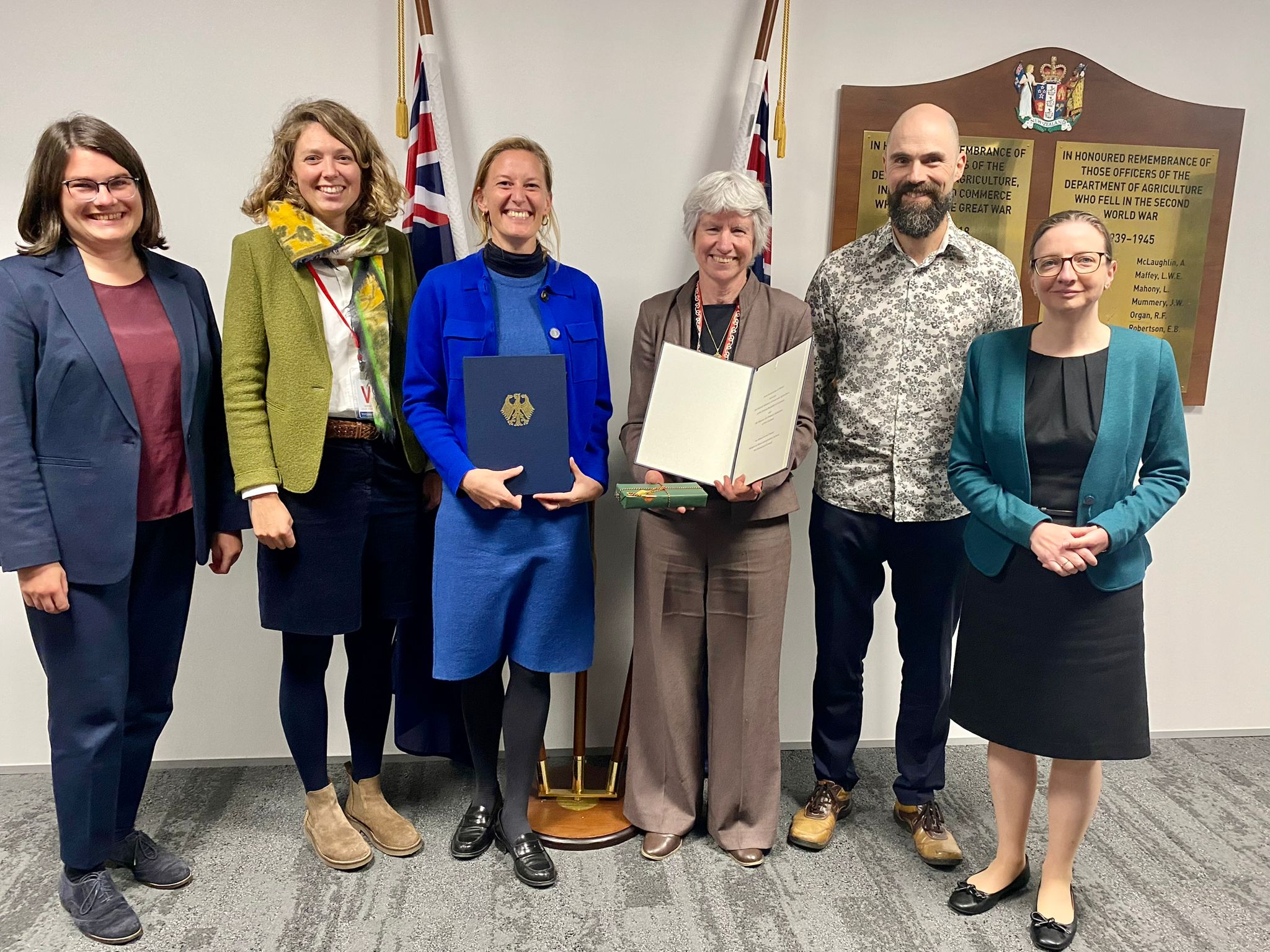
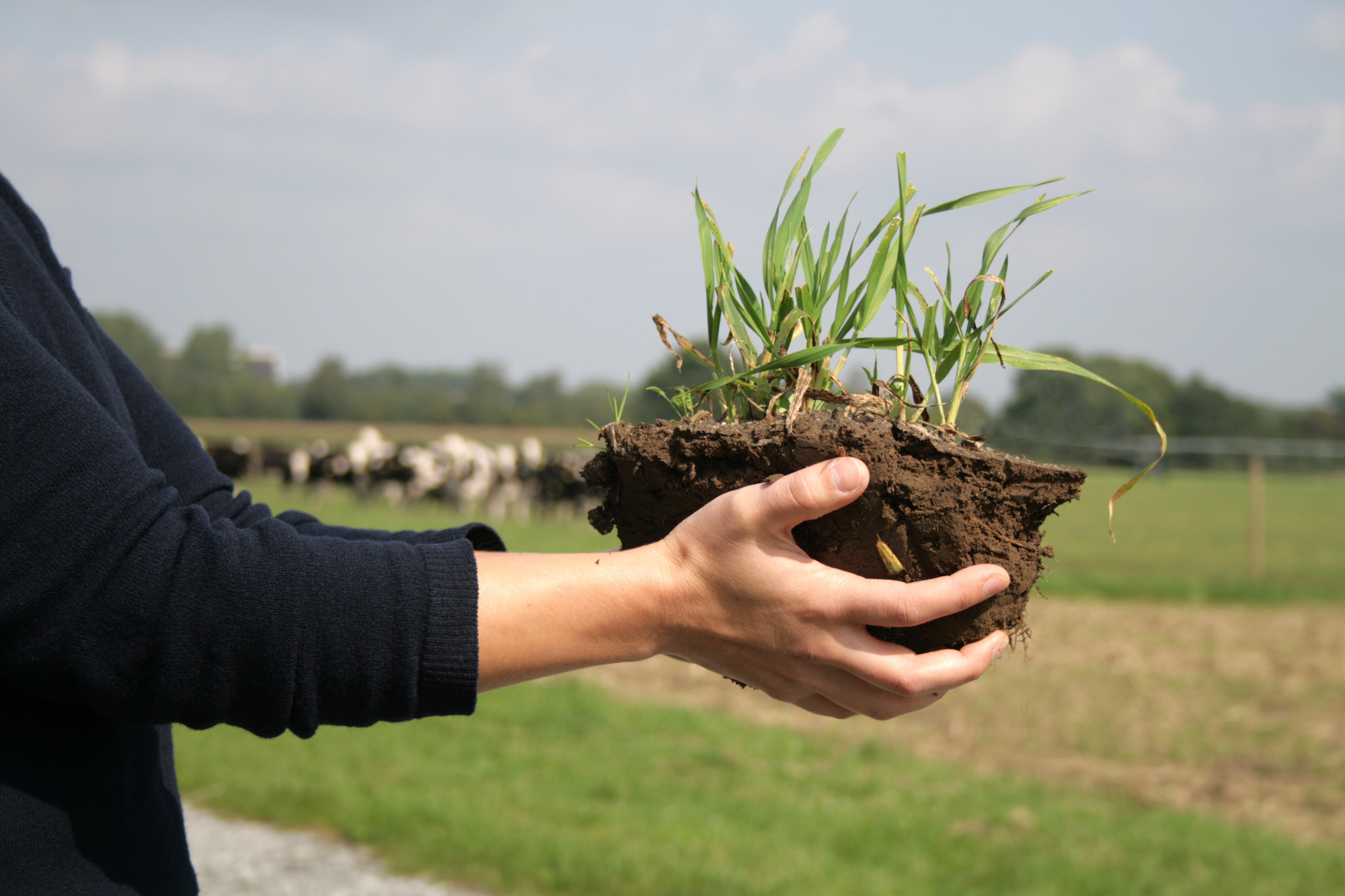
The AgriDENZ alliance for the climate intends to foster mutual understanding, and political, scientific and technical cooperation in transforming agriculture and food systems in a changing climate.
To achieve this, the AgriDENZ project team will work to:
Encourage the development of solutions addressing the global impact of agricultural production systems on the climate;
Provide a mutual learning platform for policy advisors, decision makers and researchers from New Zealand and Germany, focusing on the global impact of agricultural production systems on the climate, food security, and solutions for climate resilient and climate-friendly agricultural practices;
Provide a platform for exchanges about climate policy action plans and research results. This will include exchanges with third party countries, particularly in the Global South.
Project duration: 1st April 2024 – 31st December 2026
News
On the 19th of March, the AgriDENZ project hosted a second webinar on farm-level GHG accounting. In this webinar, the AgriDENZ topic leads on farm-level GHG accounting, Elin Martinsson (Thünen Institute) and Darran Austin (MPI), presented ongoing work on comparing farm-level GHG accounting…
On the 12th of February, the AgriDENZ project hosted a webinar on farm-level greenhouse gas (GHG) accounting where Koen Deconinck from the Organization for Economic Co-operation and Development (OECD) Trade and Agriculture Directorate presented ongoing work including insights from a new…
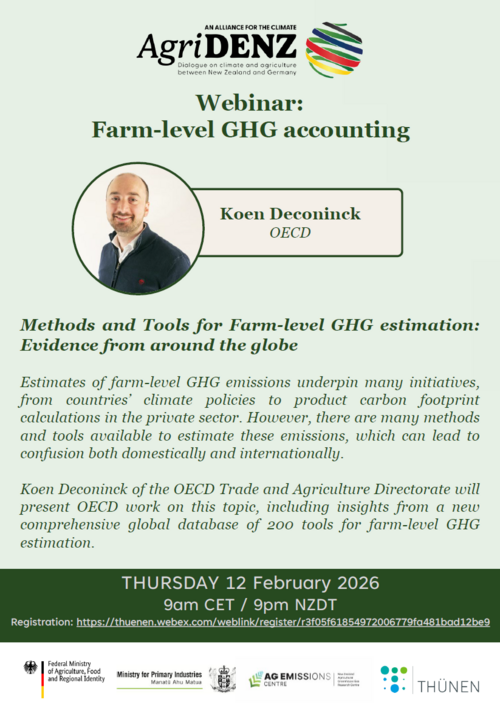
We are pleased to invite you to the first webinar in the AgriDENZ webinar series on farm-level greenhouse gas (GHG) accounting. Over the coming months, we will host webinars on various topics relating to on-farm emissions calculations and we are kicking off with the topic "Methods and Tools for…
Partner
Funders